Conditions Treated
We want to see all our patients attain and maintain a level of wellness care. This is when your body is fully healed and only needing maintenance adjustments. It is still recommended to come in for periodic adjustments to keep things running smoothly. This requires a quick visit 1-4 times per month based on your lifestyle and goals.

Since back pain is the leading cause of disability worldwide, it is vital to know how to prevent the cause of back pain. By maintaining a healthy diet and weight, remaining active and avoiding prolonged inactivity or bed rest are all important ways to avoid back pain. Before doing exercises or any physical activity, it is recommended to warm up and/or stretch.

CTS is a problem of the median nerve which runs from the forearm into the hand. When there is excessive pressure in the wrist, it causes swelling of the median nerve. This small area called the carpal tunnel is a narrow tunnel at the wrist made up of bones, soft tissues, nerves, tendons, ligaments and blood vessels. When the median nerve which runs through this tunnel gets compressed it causes pain, weakness, numbness or tingling in the hand and wrist which radiates into the forearm. The carpal tunnel is the most common area that gets compressed in both the hands and feet.
CTS should be diagnosed and treated early. During your consultation, you will receive a standard physical examination of the hands, arms, shoulders and neck to help determine if your symptoms are related to daily activities or to an underlying disorder. Our highly skilled chiropractor will also utilize other orthopedic tests to try to produce the symptoms of carpal tunnel syndrome. Laboratory tests and x-rays can reveal diabetes, arthritis, fractures, and other common causes of wrist and hand pain.

Nine out of ten Americans say that they suffer from headaches. Some of these people experience headaches frequently. Some experience constant headaches that are very painful. These can even make a person nauseous. Ninety-five percent of headaches are tension, migraine, or cluster headaches. These types of headaches are not caused from a disease, but from something in your body that is not sitting correctly.

The neck, also called the cervical spine, begins at the base of the skull and contains seven small vertebrae. The cervical spine supports the full weight of your head which is on average about 12 pounds. While the cervical spine can move your head in nearly every direction, this flexibility makes the neck very susceptible to pain and injury.

Sciatica is characterized by pain in the lower back that radiates down one or both legs. The pain is described as dull, achy, sharp, like “pins and needles” or similar to electric shocks. Other symptoms associated with sciatica include burning, numbness and tingling sensations. Sciatic nerve pain varies in intensity from mild to severe, and frequency may range from occasional to constant. The onset is generally gradual and not necessarily associated with a previous event. Sciatica is also known as radiating or referred pain, neuropathy, or neuralgia.

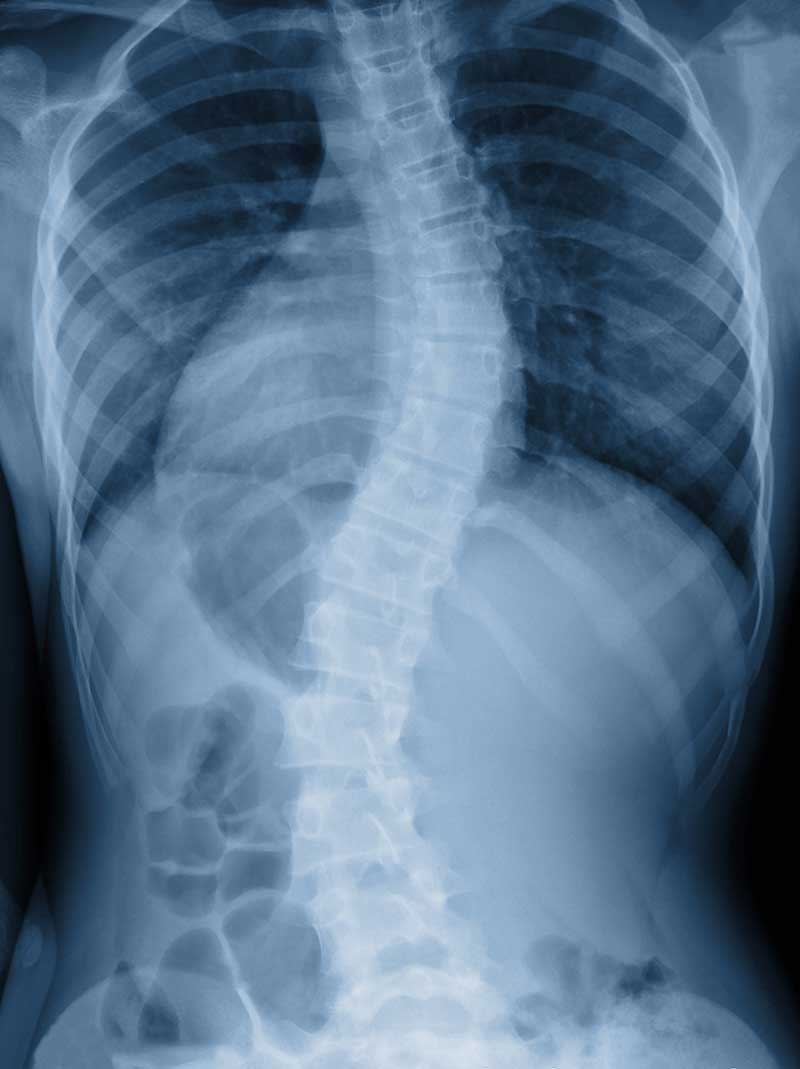
When detected early, scoliosis can be managed and treated to prevent the problem from getting worse. With scoliosis, the spine has abnormal curvatures to the side or even twists. Most cases of scoliosis appear for unknown reasons as scoliosis tends to develop before puberty in adolescence, in children who previously had no spine issues.
Many cases of scoliosis do not require surgery or extensive treatment, but if the curvature becomes more severe, medical intervention may be needed. Scoliosis appears equally in boys and girls, but typically girls are more likely to develop significant curvature that warrants treatment.
Shoulder pain is a very common condition and affects almost half of the U.S. Most patients feel some sort of pain, limited range of motion, an inability to engage in activities of daily living (ADL) or something more serious as a permanent disability.

Sports can be very taxing on your body, no matter what you play. Our trusted staff will work with you to get to the root of your problem and help you feel better again. We help treat and also prevent injuries in the neck, back, shoulders, knees, and ankles. We are able to manually adjust your spine, relieving any pain that you are feeling. This will allow your body to function much better after the injury.

Vertigo is the feeling that you are moving when you’re not. This sensation can be triggered by movements such as turning your head too quickly or looking down from a great distance, but it is ultimately caused by problems in the inner ear, brain, or brainstem. There are two different forms of vertigo with each stemming from various medical issues: peripheral vertigo and central vertigo.
Peripheral vertigo results in a problem with your inner ear and thus your balance, while central vertigo occurs when your brain or brainstem are suffering from a disease originating from your central nervous system (CNS). Peripheral vertigo is typically more severe, and central vertigo is more gradual in its onset. Regardless of the type of dizziness you are experiencing, more than likely, your quality of life is suffering because of it.

According to the American Chiropractic Association, one of the most common causes of neck pain is whiplash resulting from a car accident. A sudden forced movement of the head or neck in any direction and the resulting “rebound” in the opposite direction is known as whiplash. The sudden “whipping” motion injures the surrounding and supporting tissues of the neck and head. Muscles react by tightening and contracting, creating muscle fatigue, which can result in pain and stiffness. Severe whiplash can also be associated with injury to the intervertebral joints, discs, ligaments, muscles, and nerve roots.

Workplace injuries don’t only occur during traumatic slips and falls at work but are more often than not, the result of repetitive movements, and caused by doing the physical demands required of your job over an extended period of time. These types of workplace injuries are all too common in today’s workforce and are best identified by their symptoms.

Chiropractic care is not just for adults. In fact, more and more parents are seeing the many benefits of their children seeing a chiropractor every single day. Some of the benefits are improved sleep, improved behavior and attitude, and improved immune system function. Children encounter many physical stresses in their life that you may not realize. These stresses can cause your child’s spine to have issues in growth and development.

Here at Chiropractic Family Health Center, we offer a conservative approach to treating pregnant women. Our prenatal care is gentle and safe. We aim to alleviate the stress and strains of pregnancy while improving comfort for both the mother and baby. We understand the physical changes that come with pregnancy, and we offer relief without using any drugs.

Disc injuries can develop suddenly from an accident or gradually over time due to repetitive strain, poor posture, or everyday wear and tear on the spine. When a spinal disc becomes injured or irritated, it can place pressure on nearby nerves and lead to pain, numbness, tingling, or weakness in the back, neck, arms, or legs. Because every disc injury is different, identifying the source of the problem and treating it early is important to help restore mobility and reduce discomfort.

Wellness care is focused on helping the body function at its best before pain or injury becomes a larger problem. Regular chiropractic care can help improve mobility, support spinal health, reduce stress on the body, and promote overall wellness. Many patients choose wellness care to maintain an active lifestyle, improve posture, and help prevent future issues from developing through routine care and healthy habits.

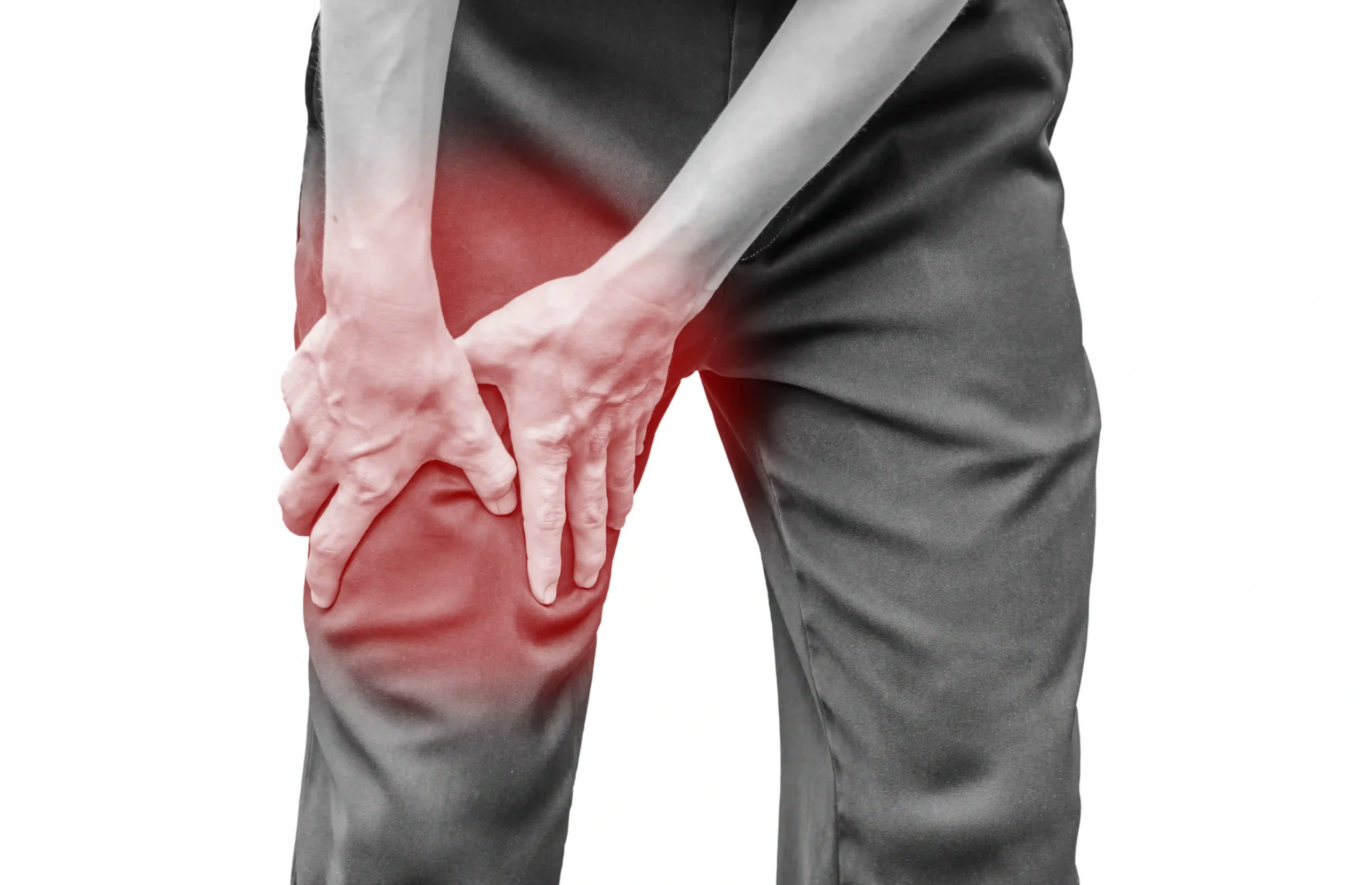
Arm and leg pain is often caused by irritation or pressure affecting the nerves, muscles, or joints throughout the body. This discomfort may result from repetitive movements, injuries, poor posture, or conditions involving the spine. Symptoms can include aching, weakness, numbness, tingling, or sharp pain that interferes with daily activities. Identifying the underlying cause of arm or leg pain is important in creating the right treatment plan to help restore comfort and function.